
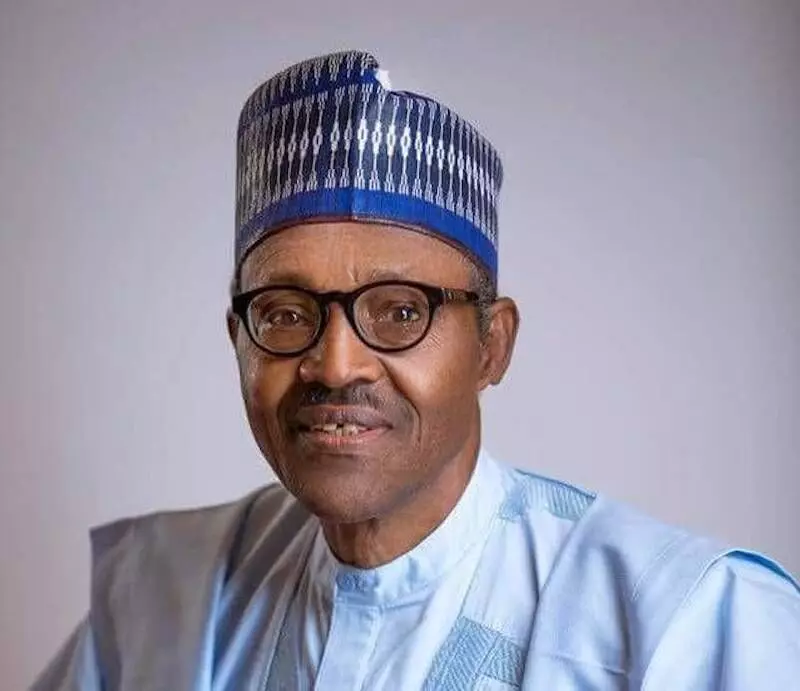
Muhammadu Buhari
President · 2015 to 2023 · APC

Muhammadu Buhari

Two terms · Two elections won · Two recessions presided over

External debt rose from $45 billion to $103 billion, the biggest jump in Nigerian history. Two recessions in eight years. The only Fourth Republic president whose tenure ended with per-capita GDP lower than it began.

Headline figures

+$10B
GDP added
$493B → $503B over 8 years. 0.3% CAGR, by far the lowest of any modern Nigerian president.
−$305
GDP per capita change
$2,586 → $2,281. Only Nigerian president with negative per-capita growth. Population outran the economy.
+$58B
External debt added
$45B → $103B. +129%. The largest debt expansion of any Fourth Republic administration.
2
Recessions
2016 (oil crash) and 2020 (COVID). First and second recessions since 1991.
The defining act
The decade of borrowing

Buhari inherited a balance sheet rocked by the 2014 oil price collapse and chose to plug the gap with debt. Eurobonds, China-Exim loans, IMF emergency credit, and aggressive CBN ways-and-means financing pushed external debt from $45 billion to $103 billion in seven years. Gross government debt as a share of GDP doubled from 15% to 30%. Annual debt service tripled. By 2022, debt service consumed an estimated about 96% of federal revenue (per DMO and Finance Ministry data analyzed by BudgIT). The fiscal squeeze that defined the 2023 election was, in large part, the bill for these eight years.

The economy

2015 → 2022
GDP
$493B → $503B
+$10B over 8 years. 0.3% CAGR, the slowest sustained growth of any modern Nigerian president. Two recessions: 2016 (oil price crash) and 2020 (COVID).
GDP per capita
$2,586 → $2,281
−$305 per citizen. The only Fourth Republic administration where Nigerians ended up poorer than they began, on average.
Agriculture
+22.9%
3.0% CAGR. Anchor Borrowers programme expanded smallholder credit. Agricultural lending visibly rose, though productivity gains modest.
Manufacturing
−10.7%
−1.6% CAGR. Sector contracted in real terms over the tenure. FX rationing and import restrictions hurt input-dependent producers.
Power access
+15.2%
2.0% CAGR. One of the few sustained positive trends, share of population with electricity rose from about 52% to about 60%.
Inflation
−41.0%
Headline metric reduction. But this is partly artefact, chronic FX shortages and parallel-market premium meant CPI understated lived cost-of-living pain.

The debt

2015 → 2022
External debt stock
$45.0B → $103.1B
+$58 billion. +129% in 7 years. The largest debt expansion of any Nigerian president, by a wide margin. Full comparison →
Gov debt as % of GDP
15% → 30%
Doubled. Started near a healthy 15% (post-Paris Club); ended at 30%, the highest since the late 1990s.
Total debt service paid
~$36B
Roughly $4.5 billion per year, climbing to over $8B per year by 2022. Cumulative debt service paid in his second term exceeded the entire Paris Club write-off.
about 96% revenue to debt service (2022)
DMO + BudgIT
Federal government spent an estimated 96 kobo of every revenue naira servicing debt in 2022, highest ratio in modern Nigerian history. Not in World Bank; cited from DMO + Federal Ministry of Finance.

How he won

2015 · 2019
2015, The incumbent falls
54.0%
Buhari (APC): 15,424,921. Jonathan (PDP): 12,853,162 (45.0%). 9pp margin. First time an incumbent had been defeated in Nigerian history. Buhari's 4th attempt, after losing 2003, 2007, 2011.
2019, The re-election
55.6%
Buhari (APC): 15,191,847. Atiku (PDP): 11,262,978 (41.2%). 14.4pp margin. Turnout fell to 35.6%, lowest since 1999. Full election table →

What he left behind

Legacy
01 $58 billion in new external debt. External debt nearly tripled. Annual debt service climbed from $2.4B (2014) to $9.7B (2023). The bill is now an inheritance for every subsequent administration.
02 Two recessions in eight years. 2016 (oil price crash, $44/barrel) and 2020 (COVID-19). First multiple-recession era for Nigeria since the 1980s.
03 The first defeated-incumbent election (2015). Buhari's 4th attempt at the presidency succeeded. Set the democratic precedent, Jonathan conceded peacefully, that defined the Fourth Republic's maturity.
04 Border closure (Aug 2019, Dec 2020). Closed all land borders to halt rice and other smuggling. Domestic rice prices spiked. Effective on some smuggling, painful on consumers and ECOWAS neighbours.
05 Naira redesign (October 2022). CBN announced replacement of N200, N500, N1,000 notes with weeks of notice. Massive cash crunch through Q1 2023. Affected the 2023 election turnout.
06 #EndSARS (October 2020). Mass youth protests against police brutality. Lekki tollgate incident October 20. Largest civic mobilization since the Fourth Republic began.

Year by year

Year GDP ($B, const 2015) External debt ($B) Gov debt / GDP WGI score
2015493.045.014.9%−0.982
2016485.143.717.4%−1.048
2017489.065.118.0%−0.988
2018498.469.420.4%−1.013
2019509.481.321.4%−1.075
2020476.987.625.7%−1.050
2021482.296.326.6%−0.986
2022503.0103.129.8%−1.058

More