
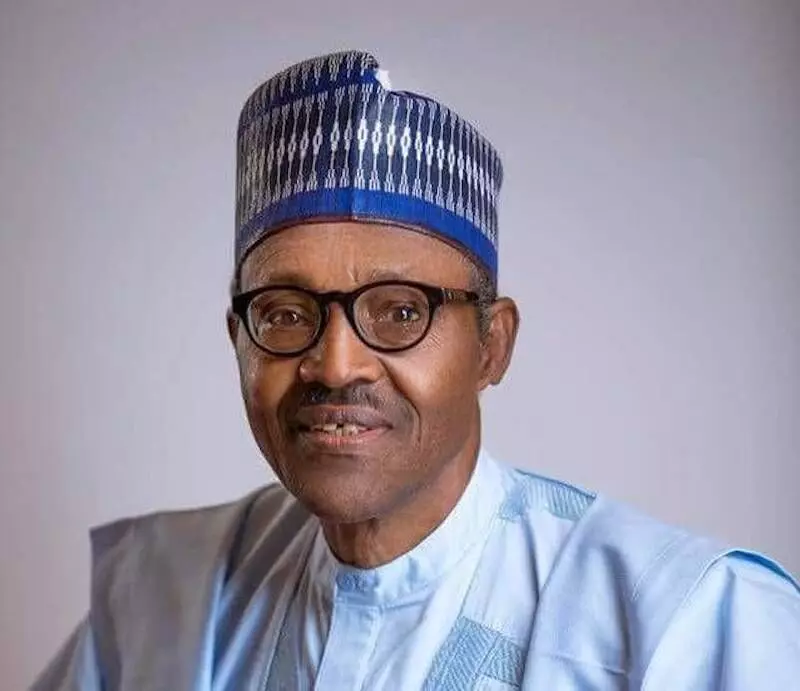
Muhammadu Buhari
External debt rose from $45 billion to $103 billion, the biggest jump in Nigerian history. Two recessions in eight years. The only Fourth Republic president whose tenure ended with per-capita GDP lower than it began.
Headline figures
Buhari inherited a balance sheet rocked by the 2014 oil price collapse and chose to plug the gap with debt. Eurobonds, China-Exim loans, IMF emergency credit, and aggressive CBN ways-and-means financing pushed external debt from $45 billion to $103 billion in seven years. Gross government debt as a share of GDP doubled from 15% to 30%. Annual debt service tripled. By 2022, debt service consumed an estimated about 96% of federal revenue (per DMO and Finance Ministry data analyzed by BudgIT). The fiscal squeeze that defined the 2023 election was, in large part, the bill for these eight years.
The economy
2015 → 2022The debt
2015 → 2022How he won
2015 · 2019What he left behind
LegacyYear by year
| Year | GDP ($B, const 2015) | External debt ($B) | Gov debt / GDP | WGI score |
|---|---|---|---|---|
| 2015 | 493.0 | 45.0 | 14.9% | −0.982 |
| 2016 | 485.1 | 43.7 | 17.4% | −1.048 |
| 2017 | 489.0 | 65.1 | 18.0% | −0.988 |
| 2018 | 498.4 | 69.4 | 20.4% | −1.013 |
| 2019 | 509.4 | 81.3 | 21.4% | −1.075 |
| 2020 | 476.9 | 87.6 | 25.7% | −1.050 |
| 2021 | 482.2 | 96.3 | 26.6% | −0.986 |
| 2022 | 503.0 | 103.1 | 29.8% | −1.058 |