President · 2010 to 2015 · PDP
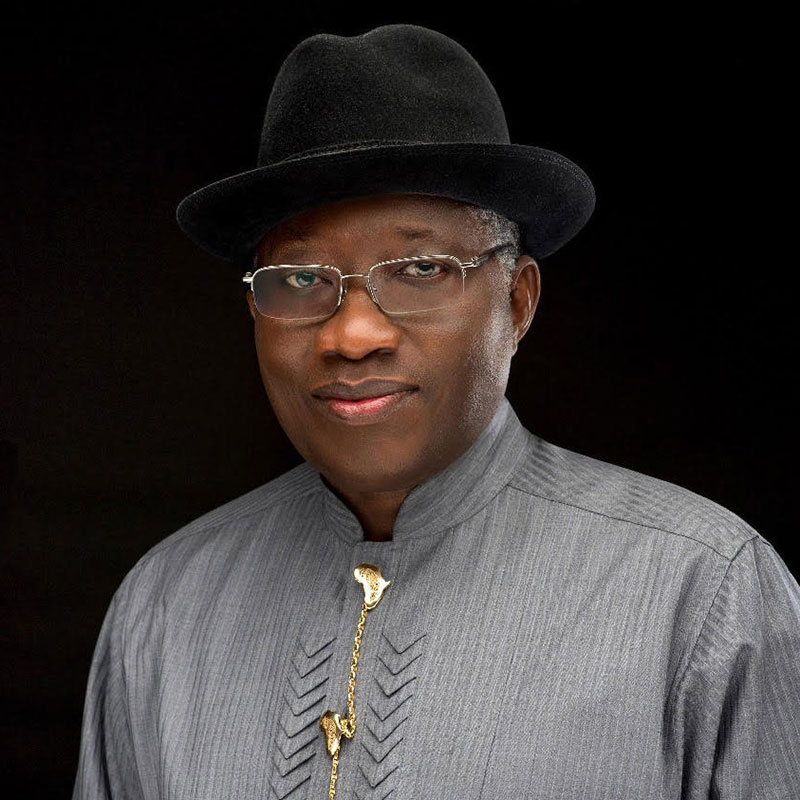
Goodluck Jonathan
Manufacturing's biggest expansion on record. The 2014 rebasing that made Nigeria Africa's largest economy. Then oil prices collapsed and he walked out of Aso Rock as the first defeated incumbent in Nigerian history.
Headline figures
+$94.4B
GDP added
$385.9B → $480.3B over 5 years. 5.6% CAGR.
+87%
Manufacturing growth
16.9% CAGR, the highest manufacturing expansion of any Nigerian president since 1996.
−1.02
Average WGI score
Best average governance of any Fourth Republic administration.
First
Defeated incumbent
2015, conceded to Buhari before final results. Set a democratic precedent.
The defining act
The 2014 GDP rebasing
On April 6, 2014, the National Bureau of Statistics published new GDP figures using 2010 as the base year (instead of 1990). Overnight, Nigerian GDP grew from ~$262 billion to ~$510 billion, making Nigeria Africa's largest economy ahead of South Africa. The rebasing didn't change real living standards, but it changed the international story: Nigeria became an emerging-market darling, sparking the Eurobond rally and the first wave of foreign portfolio inflows since the Paris Club deal.
The economy
2010 → 2015GDP
$385.9B → $480.3B
+$94.4B over 5 years. 5.6% CAGR. Strong early years; 2014 oil-price collapse cut growth in the final 18 months.
GDP per capita
$2,205 → $2,584
+$379 per citizen. 3.2% CAGR. Still positive, but below the 4.8% Obasanjo achieved.
Manufacturing
+86.8%
16.9% CAGR, the largest manufacturing expansion of any Nigerian president on record. Cement, food processing, FMCG investments. Dangote Industries scales.
Oil rents (% of GDP)
−41.5%
12.6% CAGR decline. Oil's share of the economy shrank dramatically, partly diversification, partly the 2014 price crash.
FDI inflows
−50.2%
Foreign direct investment as % of GDP halved over the tenure. Headwinds: Boko Haram insurgency, perception of fiscal mismanagement, falling oil.
Services
+26.3%
6.0% CAGR. Banking, fintech early movers (Paystack founded 2015), entertainment industry (Nollywood) gained international reach.
The debt
2010 → 2015External debt stock
$29.1B → $46.7B
+$17.5 billion over 5 years. First major post-Paris-Club climb. Eurobonds entered the picture (2011, 2013). Full comparison →
Gov debt as % of GDP
7% → 15%
More than doubled, but from a very low base, and helped lower by the 2014 GDP rebase (which made the denominator bigger).
Total debt service paid
~$6.5B
Roughly $1.3 billion per year. Still very low, the Paris Club afterglow.
Oil price collapse, late 2014
−50% in 6 months
Crude went from ~$100 to ~$50 between June and December 2014. Federal revenue cratered. The fiscal squeeze that defined the 2015 transition.
How he won and lost
2011 · 20152011, The incumbent prevails
58.9%
Jonathan (PDP): 22,495,187. Buhari (CPC): 12,214,853 (32.0%). Ribadu (ACN): 2,079,151 (5.4%). 26.9pp margin. Post-election violence in the North.
2015, The historic loss
44.96%
Buhari (APC): 15,424,921 (54.0%). Jonathan (PDP): 12,853,162 (45.0%). 9pp margin. Jonathan conceded by phone before final results were announced, preventing post-election violence and securing his legacy as a democrat.
What he left behind
Legacy
01
The phone call (March 2015). Conceded to Buhari before INEC finished announcing results. First defeated incumbent in Nigerian history. Quoted as saying his ambition was "not worth the blood of any Nigerian."
02
GDP rebasing (April 2014). Recalibrated to 2010 base year. Nigeria became Africa's largest economy overnight. Triggered the first major foreign portfolio inflows since Paris Club.
03
Manufacturing boom. 87% sectoral growth, highest of any Nigerian president. Dangote Group scales; cement, food, and FMCG capacity expand materially.
04
Power sector privatization (2013). Unbundled NEPA into successor companies (Discos, Gencos). Mixed delivery, but the structural shift to a private generation/distribution market began here.
05
Boko Haram crisis. Insurgency intensified through 2012 to 2014. April 2014 Chibok abduction made it global news. Federal response was widely criticized as too slow.
06
The 2014 National Conference. Multi-stakeholder constitutional dialogue. 600+ delegates, sweeping recommendations. None implemented, but the conversations shaped subsequent restructuring debates.
Year by year
| Year | GDP ($B, const 2015) | External debt ($B) | Gov debt / GDP | WGI score |
|---|---|---|---|---|
| 2010 | 385.9 | 29.1 | 6.7% | −1.041 |
| 2011 | 406.3 | 34.1 | 12.4% | −1.030 |
| 2012 | 423.5 | 39.3 | 12.5% | −0.985 |
| 2013 | 451.8 | 42.6 | 13.0% | −0.978 |
| 2014 | 480.3 | 46.7 | 15.8% | −1.089 |